
Available Rebates at a Glance
All figures are current for 2026. Actual savings depend on your system size, retailer and location.
~$1,700 per 6.6kW
on a typical 6.6kW system
Federal SRES
Up to $6,500
federal + WA state combined
Federal + State
Up to $570
in STC certificates
Federal SRES
Up to $684
in STC certificates
Federal SRES
$10,000
total average savings
State Government Loan
Understanding the Rebate System
Australian renewable energy rebates work at two levels: federal programs that apply nationwide, and WA state programs for local residents. In many cases you can stack both, which is where the real savings are.
The Federal SRES Scheme (Small-scale Renewable Energy Scheme)
The SRES is the foundation of most renewable energy savings in Australia. When you install eligible solar, battery or hot water systems, your installer generates Small-scale Technology Certificates (STCs) based on the expected lifetime energy output of the system. These certificates have a dollar value, and your installer passes the savings on to you as an upfront discount at the point of sale. You do not need to apply separately or wait for a cheque. The discount comes straight off your installation price.
The WA Cheaper Home Batteries Program
From July 2025, Western Australia has its own battery rebate scheme that runs on top of the federal program. Depending on whether you are on the Synergy or Horizon Power network, your available savings are different. Both programs can be claimed together, meaning WA residents access some of the best battery deals in the country.
Act sooner rather than later.
The SRES scheme phases out completely by 2031, and the deeming period (which determines rebate size) drops by one year every January. Rebate values are lower in 2026 than they were in 2025, and will continue to reduce. Installing sooner means a larger rebate.
Get a Quote
Urban Future assesses your home and recommends eligible products.
STCs are Assigned
Your installer lodges the certificates on your behalf with the Clean Energy Regulator.
Savings Come Off the Price
The rebate value is deducted from your installation cost. No waiting, no forms.
WA State Rebate Applied
For eligible battery installs, the WA state rebate is also applied at point of sale.
Jump to a Rebate
$10,000+
Maximum combined savings available to eligible WA homeowners
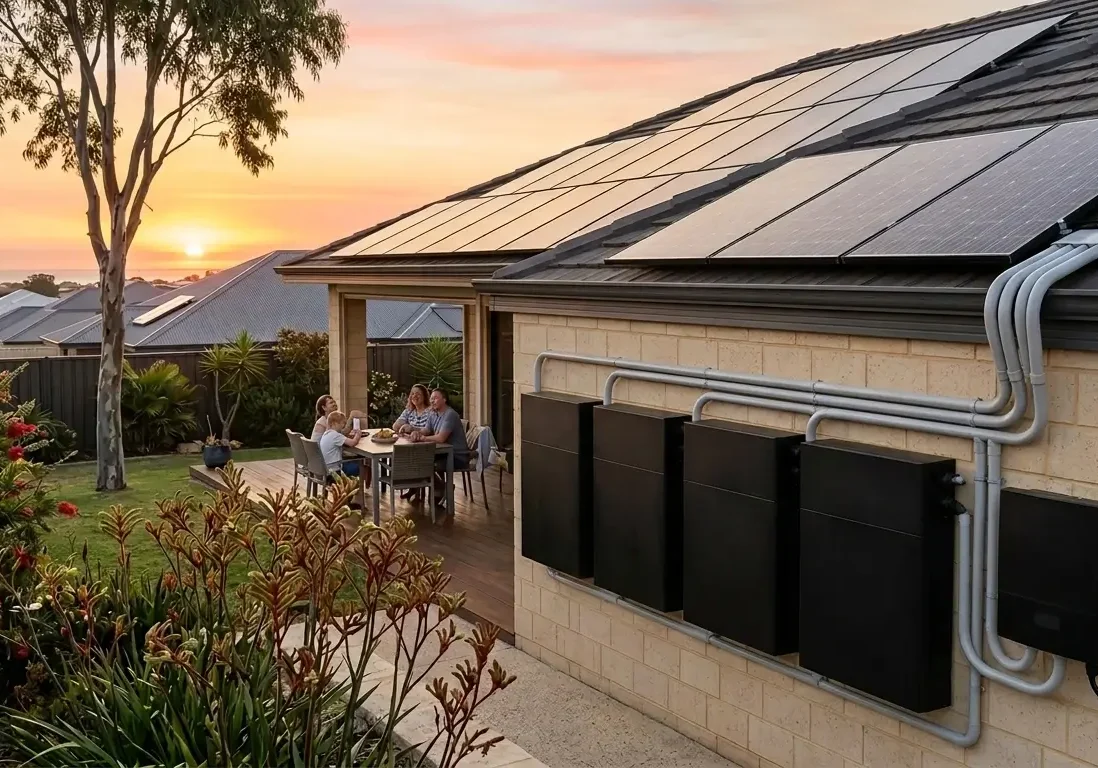
Solar Panel Rebate (SRES / STCs)
Every solar panel system installed in WA earns Small-scale Technology Certificates. In 2026, a standard 6.6kW rooftop system generates an upfront rebate of around $1,600, applied directly to your installation cost.
How the Solar STC Rebate Works in 2026
STCs are calculated based on three factors: your postcode zone, the size of your system, and the current deeming period. Perth sits in Zone 3, which is one of the better performing zones for STC values in Australia.
In 2026, the deeming period dropped from 6 years to 5 years, which reduced the rebate by roughly 15 to 20 percent compared to 2025. Each following year the deeming period will drop by another year, meaning the rebate shrinks progressively until the scheme ends in 2031.
The STC market price fluctuates, but typically sits between $35 and $40 per certificate. Your installer calculates the value and applies it before quoting you a final price.
Eligibility Requirements
-
System must be installed by a Clean Energy Council (CEC) accredited installer
-
Inverter and panels must be on the Clean Energy Regulator's approved products list
-
System size up to 100kW is eligible under the small-scale scheme
-
The rebate applies to new installations and approved system upgrades
-
Property must be connected to the grid or be an eligible off-grid property
~$1,600
Typical STC rebate on a 6.6kW system in Perth, 2026
Typical STC Values by System Size
| System Size | Approx Rebate |
|---|---|
| 3kW | ~$750 |
| 5kW | ~$1,200 |
| 6.6kW | ~$1,600 |
| 10kW | ~$2,400 |
| 13.3kW | ~$3,200 |
Estimates based on Perth Zone 3, 2026 deeming period, STC price ~$38. Your installer will provide exact figures.
Also Available: DEBS (Distributed Energy Buyback Scheme)
Synergy customers on the DEBS scheme receive a feed-in payment for excess electricity exported to the grid from their solar or battery system. The current standard rate is 7.135 cents per kWh. This is separate from the STC rebate and applies ongoing, reducing your electricity bill over time.
Solar Panel Rebate Frequently Asked Questions
In 2026, a 6.6kW solar system in the Perth metro area generates approximately $1,600 in STC value, applied as an upfront discount on your installation. Larger systems earn more. The rebate is based on your postcode zone, system size and the current deeming period.
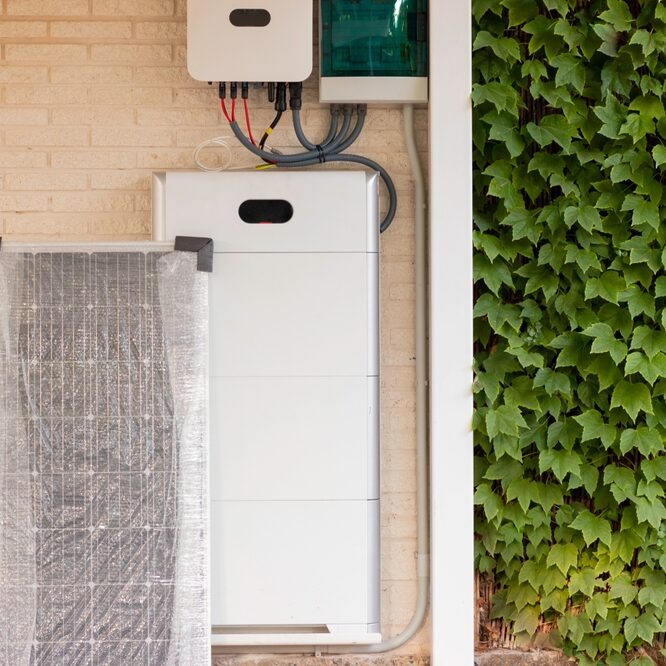
Battery Storage Rebates
WA homeowners can currently stack two separate battery rebates: the federal Cheaper Home Batteries Program and the WA Residential Battery Scheme. Together, they can reduce the cost of a home battery by thousands of dollars upfront.
$7,500
Maximum combined saving on a 10kWh battery (2026)
$5,000
Maximum combined saving on a 10kWh battery (2026)
Federal: Cheaper Home Batteries Program
The Australian Government's Cheaper Home Batteries Program provides a rebate worth approximately $372 per usable kilowatt-hour of battery capacity. On a standard 10kWh battery, this amounts to roughly $3,720 off the installed cost. The program is applied at point of sale through your installer and is funded until 2028.
From 1 May 2026, the program uses a tiered structure to ensure savings remain at around 30 percent of installation cost as battery prices continue to fall.
How the Tiered Structure Works (from 1 May 2026)
| Battery Capacity | STC Factor |
|---|---|
| First 14kWh of capacity | 100% |
| 14kWh to 28kWh | 60% |
| 28kWh to 50kWh | 15% |
Most residential batteries fall within the 10 to 16kWh range and receive the full 100% factor.
WA State: Residential Battery Scheme
Launched in July 2025, the WA Residential Battery Scheme provides additional state funding on top of the federal program. The amount you can access depends on whether your home is on the Synergy or Horizon Power network.
Synergy serves most of the Perth metro area and the South West. Horizon Power covers regional and remote Western Australia. Horizon Power customers receive a significantly higher rebate due to the greater energy costs and infrastructure challenges in regional areas.
| Rebate Component | Synergy Customers | Horizon Power Customers |
|---|---|---|
| Federal CHB Program | Up to $3,700 | Up to $3,700 |
| WA State Rebate | $1,300 | $3,800 |
| Combined Maximum | Up to $5,000 | Up to $7,500 |
| Interest-Free Loan Available | Up to $10,000 | Up to $10,000 |
Based on a 10kWh battery installation. State rebate is $130 per kWh (Synergy) and $380 per kWh (Horizon Power) up to 10kWh.
WA Interest-Free Loan: Up to $10,000
Eligible WA households can also access an interest-free loan of up to $10,000 to cover additional costs of installing solar and battery systems. This loan is separate from the upfront rebate and can be used alongside it. Speak with Urban Future to understand how to structure your application for both the rebate and the loan.
Federal Battery Rebate Eligibility Requirements
-
Battery capacity must be between 5kWh and 100kWh
-
Battery must be connected to an existing or new solar PV system (grid-only storage is not eligible)
-
Installation must be completed by a Solar Accreditation Australia (SAA) accredited battery installer
-
System must meet Clean Energy Regulator technical requirements
-
The rebate applies to both residential and eligible small business properties
Why Stack Both Rebates?
The federal and WA state programs are designed to be used together. A family in the Perth metro area installing a 10kWh battery can access the federal CHB rebate of around $3,700 and the WA Synergy rebate of $1,300 simultaneously, bringing total upfront savings to around $5,000. That is a 30 to 40 percent reduction on a typical battery installation cost before any additional promotional pricing from Urban Future.
How Quickly Do Batteries Pay Back?
With current electricity prices in WA and the combined rebate, most residential batteries reach payback within 7 to 10 years, depending on usage patterns and any additional solar generation. Your Urban Future consultant can model the expected payback period for your specific home.
Battery Storage Rebates Frequently Asked Questions
The WA Residential Battery Scheme launched in July 2025 and provides a state-funded rebate on top of the federal Cheaper Home Batteries Program. Synergy customers can claim $130 per kWh up to 10kWh, and Horizon Power customers can claim $380 per kWh up to 10kWh. Both can be combined with the federal program for maximum savings.
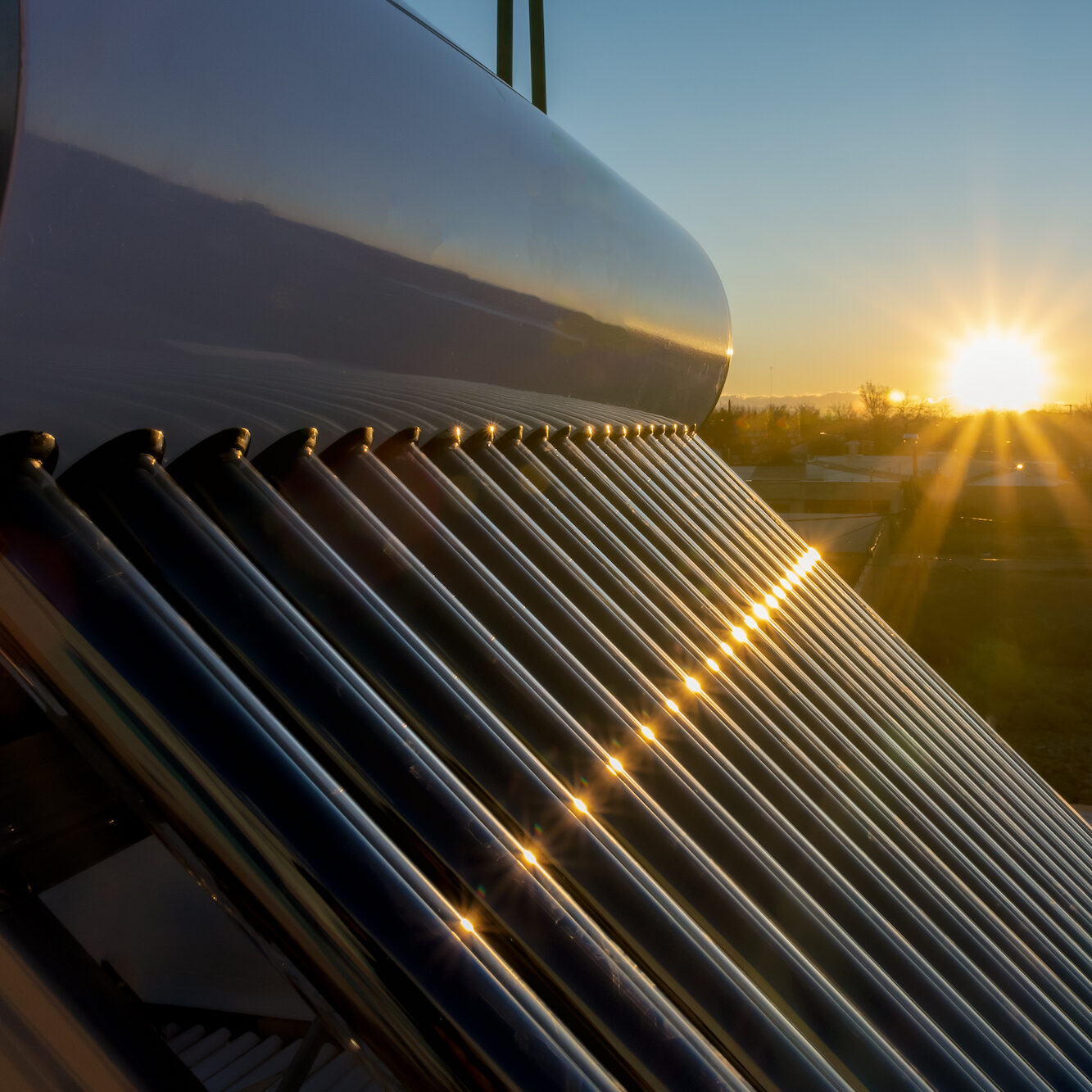
Heat Pump Hot Water Rebates
Replacing an old electric storage hot water system with a modern heat pump is one of the most cost-effective upgrades available to WA homeowners. Federal STC rebates make the switch significantly more affordable, with savings of up to $2,400 depending on the system.
Up to $2,400
in STC rebate value depending on system size and efficiency
What is a Heat Pump Hot Water System?
A heat pump hot water system works like a reverse refrigerator. It draws warmth from the ambient air outside and uses it to heat your water, rather than relying on an electric element. This process uses up to 75 percent less electricity than a conventional electric storage heater.
Heat pump systems are recognised as a renewable technology under the federal SRES scheme, making them eligible for STC rebates in the same way as solar panels and solar hot water systems.
How Much is the Rebate?
The value of your heat pump STC rebate depends on the energy efficiency rating of the unit, its capacity and your location zone. Perth homeowners typically receive between $1,000 and $2,400 in STC value. This is applied as an upfront discount on your installation by your Urban Future installer.
When combined with promotional retailer discounts, the total average installation saving typically falls between $1,800 and $3,400.
WA Rebates
There is currently no WA state government rebate specifically for heat pump hot water systems. The STC federal rebate is the primary incentive available in Western Australia in 2026.
Eligibility Requirements
-
The heat pump system must be listed on the Clean Energy Regulator's approved products register
-
Tank capacity must be under 425 litres
-
Installation must be carried out by a licensed plumber
-
The unit must meet minimum efficiency standards for STC eligibility
-
Must be replacing an existing electric or gas hot water system at the same premises
5 Reasons to Choose a Heat Pump?
- Uses up to 75 percent less electricity than a standard electric storage tank
- Works in ambient temperatures as low as -5 degrees Celsius
- Compatible with existing solar panel systems for maximum savings
- Can reduce hot water energy costs by up to $400 per year
- Long system life of 15 or more years with low maintenance
Heat Pump vs Solar Hot Water
Both technologies qualify for the same STC rebate. Heat pumps are generally more suited to shaded roofs or properties with limited north-facing roof space, as they sit on the ground and draw heat from air rather than sunlight. Solar hot water systems have roof-mounted collectors and can offer higher efficiency in areas with strong sun exposure. Urban Future can advise which suits your home.
Heat Pump Hot Water Rebates Frequently Asked Questions
Yes. The heat pump STC rebate is separate from the solar panel rebate. If you already claimed STCs when installing solar, you can still access the hot water STC rebate when upgrading to a heat pump or solar hot water system.
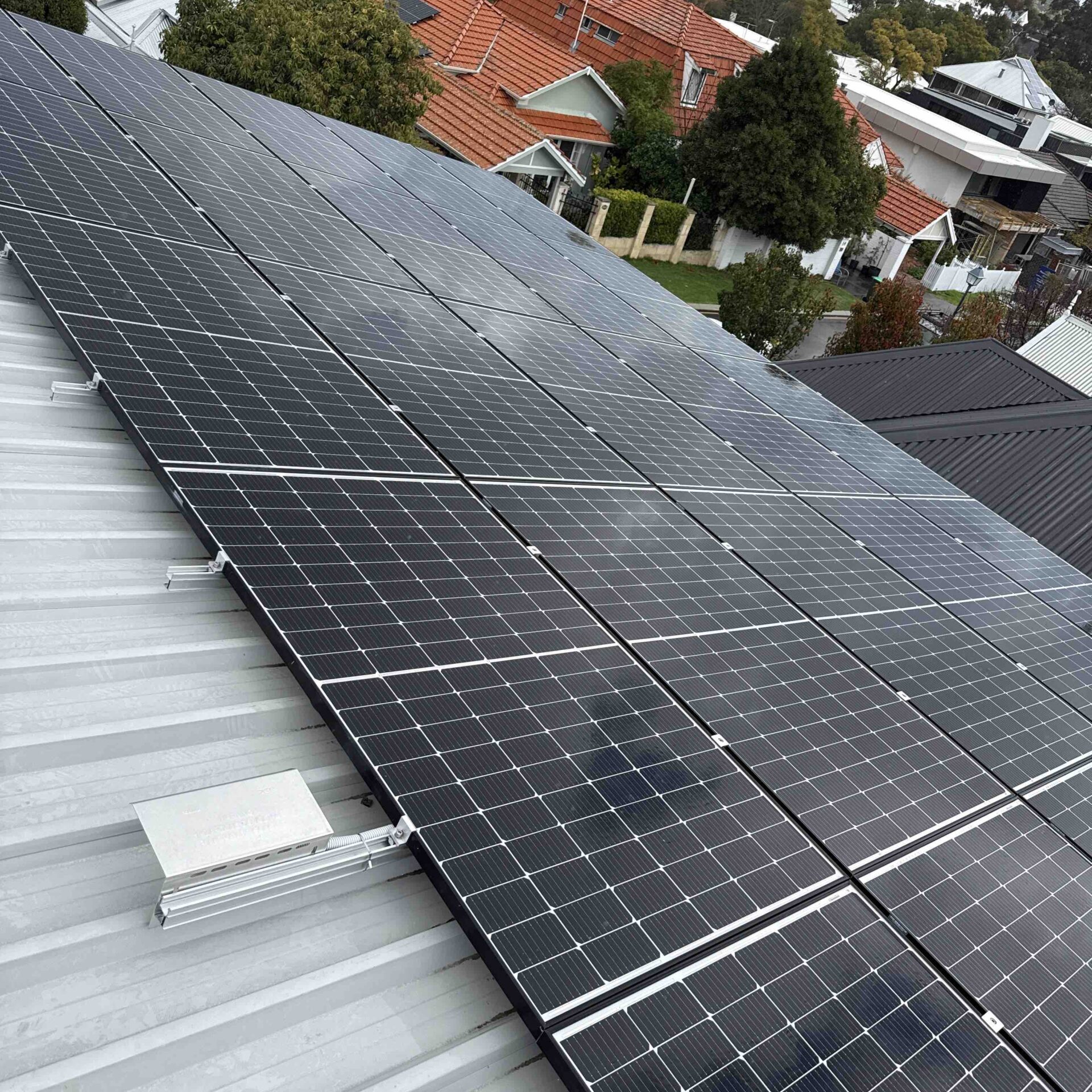
Solar Hot Water Rebates
Solar hot water systems use roof-mounted collectors to capture the sun's energy and heat your water directly. They qualify for federal STC rebates, reducing installation costs by up to $2,400 depending on system size and location.
Up to $2,400
in STC rebate value on eligible solar hot water installations in WA
How Solar Hot Water STC Rebates Work
Solar hot water systems are eligible under the SRES scheme because they displace electricity or gas that would otherwise be used to heat water. The number of STCs your system earns is based on the estimated energy savings over the life of the system, your postcode zone and the system's efficiency rating.
Perth sits in climate Zone 3, which is a high-performance zone for solar hot water. This means Perth homeowners typically receive a higher STC entitlement than households in cooler or cloudier parts of Australia.
The rebate is applied as a point-of-sale discount by your installer and is available for both flat-plate collector systems and evacuated tube systems.
Flat-Plate vs Evacuated Tubes
Flat-plate collectors
Flat-plate collectors are the traditional choice. They are robust, cost-effective and well suited to Perth's climate. Most flat-plate systems include an electric or gas booster to handle periods of low solar input.
Evacuated tube collectors
Evacuated tube collectors are more efficient in cooler or overcast conditions and can generate more heat per square metre of roof space. They are typically more expensive to purchase but can produce better results in locations with variable weather.
Both types are eligible for the STC rebate, provided they meet the minimum requirements.
Eligibility Requirements
-
System must be selected from the Clean Energy Regulator's approved products register
-
Tank capacity must not exceed 425 litres
-
Installation must be carried out by a licensed plumber adhering to WA plumbing codes
-
Must be a new installation or a like-for-like replacement at the same premises
-
Both roof-mounted flat-plate and evacuated tube collectors are eligible
Total Savings Including Retailer Discounts
When STC rebates are combined with point-of-sale promotional credits from suppliers, total average installation savings typically fall between $1,800 and $3,400. This makes solar hot water one of the fastest-payback upgrades available to WA homeowners, with reduced energy bills delivering ongoing savings of up to $400 per year on top of the upfront discount.
Which System is Right for Your Home?
The right choice depends on your roof space, orientation, shading, existing hot water setup and budget. Urban Future will assess your home and recommend the most cost-effective system. We supply and install a range of brands and collector types to suit every property.
Solar Hot Water Rebates Frequently Asked Questions
Solar PV (photovoltaic) panels generate electricity from sunlight. Solar thermal panels, used in solar hot water systems, capture the sun's heat to warm water directly. They are separate technologies and each qualifies for its own STC rebate. Many homeowners have both on their roof.
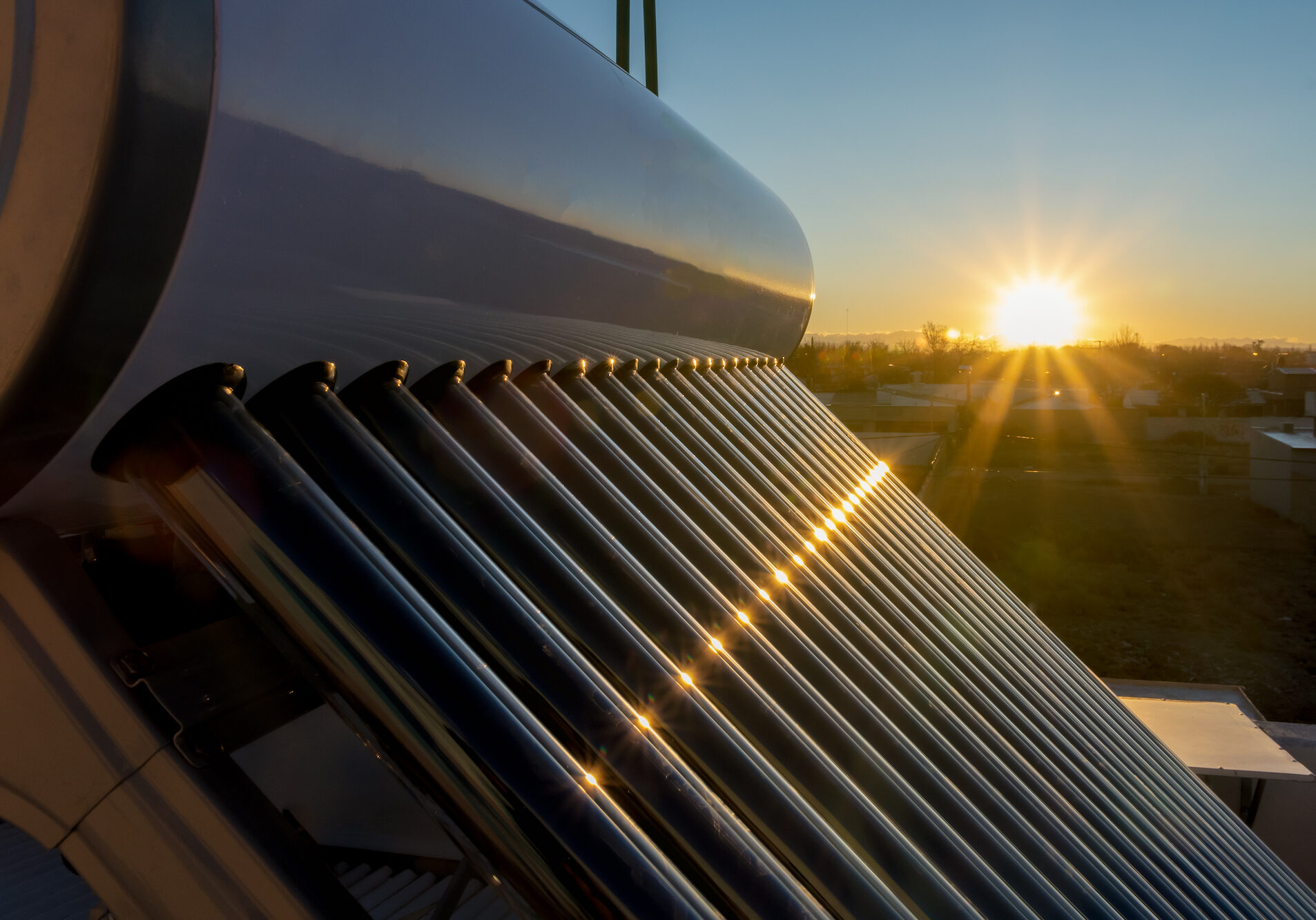
Hot Water System Rebates
Upgrading from an old gas or electric storage tank to a modern, efficient hot water system is one of the simplest ways to cut energy costs. Federal rebates are available on a range of efficient replacement options, including heat pump and solar hot water systems detailed in the sections above.
Which Hot Water Upgrades Qualify for a Rebate?
The federal SRES scheme covers the following replacement hot water systems when installed by an eligible tradesperson:
-
Heat pump hot water systems (air-source)
-
Solar hot water systems with flat-plate or evacuated tube collectors
-
Approved solar-boosted systems with electric or gas backup
Standard electric or gas storage hot water systems are not eligible for an STC rebate. The program is specifically designed to incentivise the transition to renewable or high-efficiency technology.
How Much Can I Save?
Total savings vary based on the system you choose, its efficiency rating and your zone. As a guide:
| System Type | STC Rebate | Total Saving |
|---|---|---|
| Heat Pump (small, 125L-200L) | $1,000 to $1,600 | $1,800 to $2,400 |
| Heat Pump (large, 200L-315L) | $1,600 to $2,400 | $2,400 to $3,400 |
| Solar Hot Water (flat-plate) | $1,200 to $2,000 | $1,800 to $3,000 |
| Solar Hot Water (evacuated tube) | $1,600 to $2,400 | $2,200 to $3,400 |
Estimates for Perth metro (Zone 3), 2026. Total saving includes STC rebate plus typical point-of-sale supplier credits.
The Case for Upgrading Now
Old electric storage tanks are one of the biggest energy consumers in an Australian home, accounting for up to 30 percent of household electricity use. Replacing an old tank with a heat pump or solar hot water system can reduce hot water energy costs by 60 to 80 percent. With a federal rebate reducing your upfront cost, the payback period on most upgrades is between 3 and 6 years, after which the savings are pure benefit.
Rebate Phaseout Timeline
Like all SRES rebates, hot water STC values will reduce each year as the deeming period drops:
| Year | Deeming Period |
|---|---|
| 2026 | 5 years |
| 2027 | 4 years |
| 2028 | 3 years |
| 2029 | 2 years |
| 2030 | 1 year |
| 2031 | Scheme ends |
Find Out Exactly What You Can Claim
Urban Future's team will assess your home, calculate your exact rebate entitlements and handle all paperwork on your behalf. No obligation, no jargon.
Our Difference
Why Choose Us
Perth Owned & Operated
Urban Future is a Perth-based company, located in Wangara, offering tailored, sustainable smart home solutions. This local ownership and operation ensure a personalised and understanding approach to each project, reflecting the unique needs of Perth residents.
30+ Years of experience
With over 30 years of experience, Urban Future brings a wealth of knowledge and expertise to the table, ensuring that every project benefits from decades of learning and innovation in sustainable smart home solutions.
Quality Products
Urban Future prioritises the use of quality products in all their projects, ensuring that every solution is not only effective but also durable and reliable, standing the test of time.
Fully Licensed Installers
We will only ever send fully licensed electricians for all installations or service work. All regulations are met and everything is installed up to code, every time.
Up to 10% off Package Deals
Urban Future offers up to 10% off on package deals, providing an affordable way to access their sustainable smart home solutions while ensuring value for your investment.
Finance Available
Urban future has partnered up with Brighte to help our customers find additional payment solutions for their projects.
Brighte’s Green loans offer better rates for energy efficient systems, which is applicable on all solar power and hot water systems we offer.