
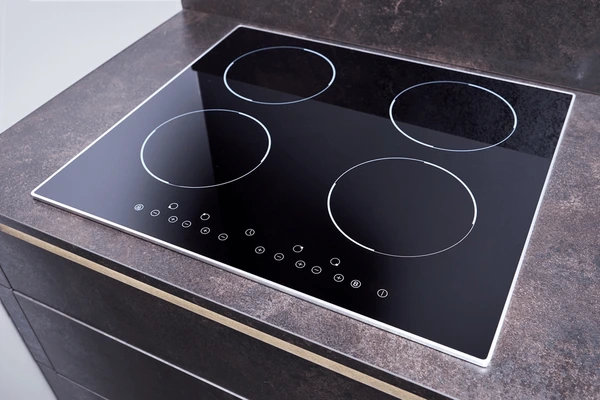
In the ever-evolving world of cooking technology, the debate between gas and induction cooktops is heating up. As more households consider their cooking options, it’s important to weigh the benefits and drawbacks of each. This blog explores the advantages of switching from gas to induction cooking, considering efficiency, health implications, ease of cleaning, and overall performance.
Efficiency: Induction Takes the Lead
When comparing gas and induction cooktops, efficiency is a key factor. Induction cooktops direct energy into the cookware base, transferring heat with approximately 85% efficiency, whereas gas cooktops operate at only 32% efficiency. This means that induction cooking not only heats your cookware faster but also cooks your food more quickly.
Having conducted a “boil time test,” it revealed that induction cooktops can bring one litre of water to a boil in just 2.37 minutes. In contrast, gas cooktops can take four minutes or longer. This efficiency leads to quicker meal preparation and reduced energy consumption, making induction a superior choice for modern kitchens.

Health Considerations: The Impact of Gas Cooking
The health implications of gas cooking are becoming increasingly concerning. Gas cooktops release a range of contaminants, including nitrogen dioxide, formaldehyde, and small particulates that can negatively impact respiratory health. Asthma Australia reports that gas cooking contributes to 12% of the childhood asthma burden, equivalent to the effects of tobacco smoke in the home.
To mitigate these risks, it’s advised to ventilate the kitchen with a rangehood, keep doors and windows open, and, if possible, keep children away from the cooking area during gas cooking. Using an air purifier with a HEPA filter can also help reduce harmful pollutants.
Switching to induction cooking eliminates these concerns, creating a healthier cooking environment for you and your family.
Ease of Cleaning: A Major Advantage
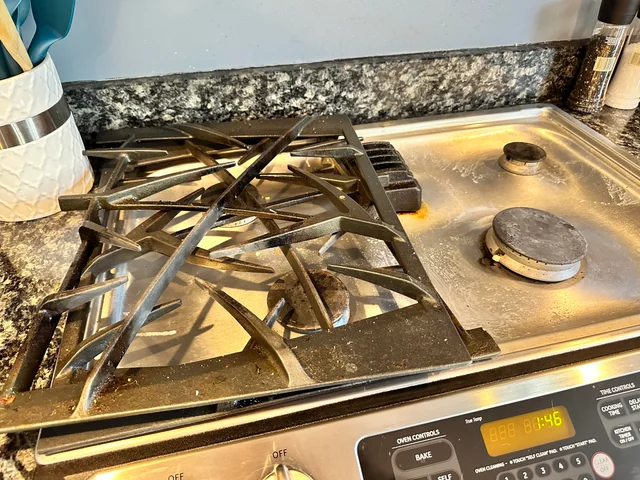
Cleaning is another area where induction cooktops shine. With their smooth, continuous glass surface, induction cooktops are significantly easier to clean than gas models, which often have fiddly burners and trivets. Spills on an induction cooktop won’t bake onto the surface because it doesn’t get as hot, making wipe-ups quick and effortless.
However, sugary substances can stick to the glass, requiring a special cream to keep the surface streak-free. Despite this, experts consistently rate induction cooktops highly for ease of cleaning.

Cookware Compatibility: What You Need to Know
One essential consideration when switching to induction cooking is cookware compatibility. Induction cooktops work by generating an electromagnetic field, which requires pots and pans with a ferromagnetic base.
Cast iron, steel, and some enamel-coated or magnetic stainless steel pans will work, while aluminium, glass, and ceramic cookware will not. A simple way to test your existing cookware is to use a magnet; if it sticks to the base, it’s suitable for induction cooking.
Performance: Cooking Results
While some may hesitate to abandon the gas flame, induction cooktops deliver comparable cooking results once you become familiar with their operation. Induction responds instantly to temperature adjustments, much like gas, but without the visual feedback of a flame. Once accustomed to the differences, many cooks find that induction cooking results in faster meal preparation without sacrificing quality.
Portable Induction Cooktops: A Taste of the Future
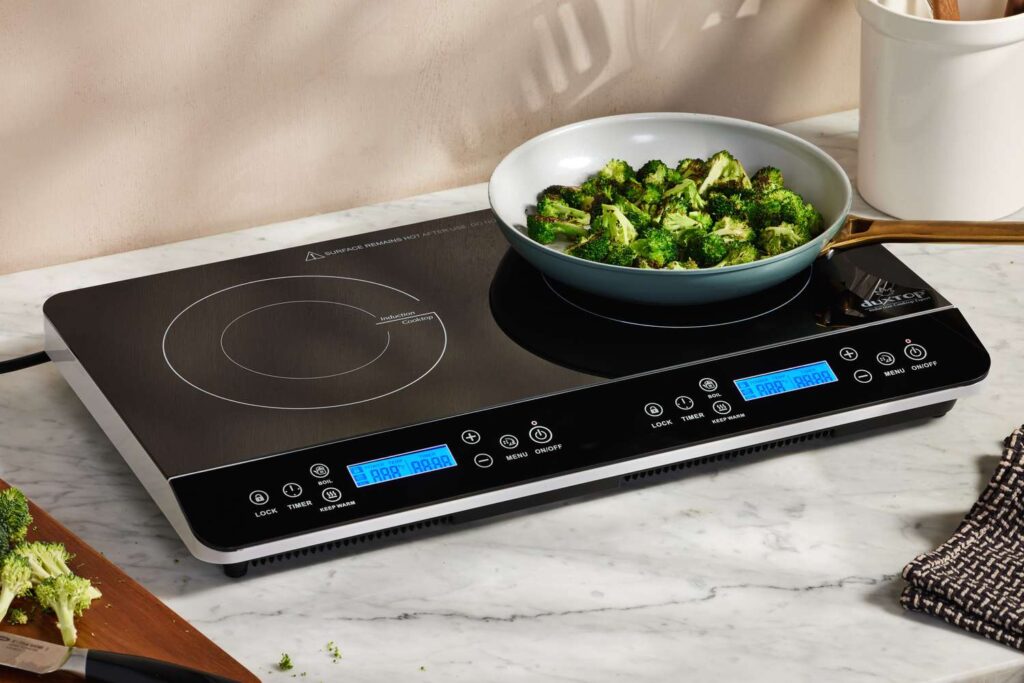
If you’re unsure about committing to a full induction cooktop, consider trying a portable induction cooktop. These units are typically more affordable and provide an opportunity to experience induction cooking. However, be mindful that performance can vary significantly between portable and built-in models, and not all portable units are efficient or user-friendly.
Installation Considerations and Cost
While induction cooktops can be a significant investment, their running costs are generally lower than gas. However, the initial purchase and installation can be pricey. It’s important to ensure your home can accommodate the electrical requirements of an induction cooktop, which may necessitate a hard-wired connection.
While your immediate savings might not be dramatic, the long-term benefits—especially if you switch away from gas for all appliances—can lead to significant cost reductions.
Conclusion
Switching from gas to induction cooking offers numerous advantages, including improved efficiency, better health outcomes, and easier maintenance. As more households seek safer and more sustainable cooking solutions, induction cooktops present a compelling choice for the modern kitchen.
It’s important to note, that converting from gas to electric is more sustainable and cost effective when the household has a solar power system installed. The size of which depends on the requirements of the household. To learn more about what solar power system would serve you the best, click to learn more.
To learn more about energy conscious choices for your home, talk to the team at Urban Future today.
Why Choose Us

New Energy Tech Approved Seller
Urban Future is a New Energy Tech Approved Seller, meaning we follow strict consumer protection standards across advice, installation, and support - giving you confidence every step of the way.
Request a Free Quote
Fill in the form and we will be in touch to schedule a booking.

We offer Finance!
Looking to Finance?
urbanfuture has partnered up with Brighte to help our customers find additional payment solutions for their projects.
Brighte’s Green loans offer a 5.89%pa for energy efficient systems, which is applicable on all solar power and hot water systems we offer.
Just let one of our friendly staff members know if you’re looking to finance, and we’ll work with you to find which solution works best for you.