

With a sun tax likely coming your way in the near future, what can be done to beat the sun tax and protect your return on investment?
With the Australian energy market transitioning towards a “sun tax” or two-way pricing model, now is the time to look at your setup and begin making changes. If you’re in the early stages of planning out a solar system or you’ve had one in for years, there’s some steps you should take to protect you in the future.
What is a Sun Tax?
A sun tax is where network companies will charge retailers for energy exported to the grid during peak times. This is not a direct fine on solar exports, but rather a change in pricing structures that solar owners need to be aware of and plan for.
So what can be done to maximise your return and reduce any nasty feed in tarrifs?
Optimising Your Solar System
Implement Inverter Export Limitation
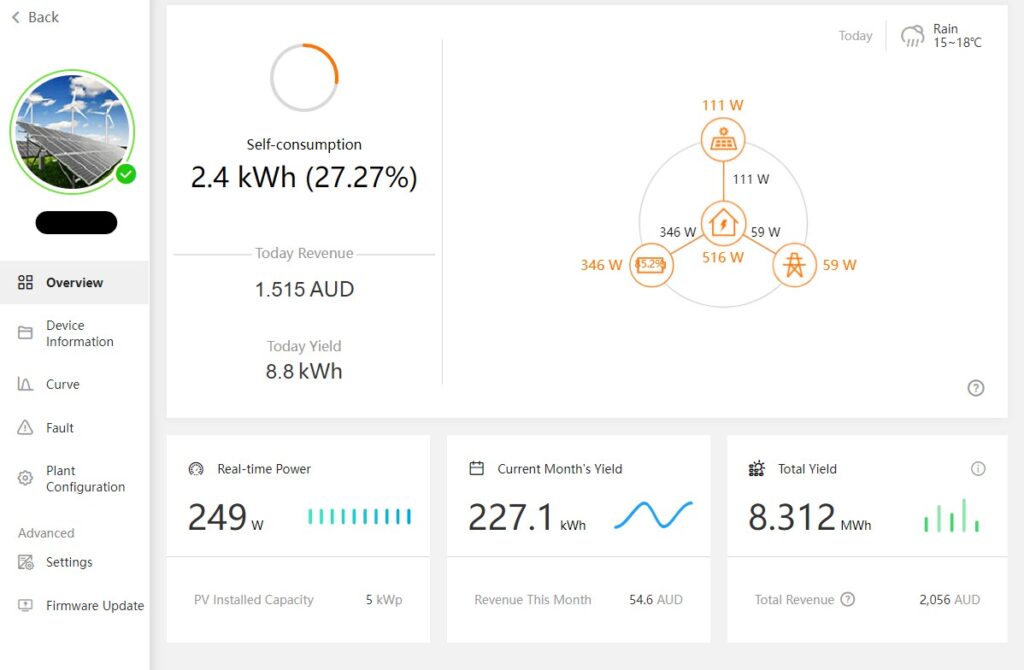
Modern solar inverters can be configured to limit or even halt energy exports during peak pricing periods. This process typically involves setting up export limitation using smart meters and current transformers. Some systems even offer the flexibility of time-based scheduling, allowing for further levels of control and optimisation. This will typically require your system to have an energy consumption device, commonly known as a solar smart meter.

If you’re unsure if your inverter has this capacity simply look up the model online and chase down an instruction manual. Alternatively if you’ve used the best solar installation company around, just give them a call and ask one of the team. They’re there to help before, during, and after installation.
Install a Catch Control Relay
The Catch Control (formerly Catch Solar Relay) is a device that can divert surplus solar energy to high-energy appliances like hot water systems. This device can also be used to export-limit compatible inverters on a time-based schedule.
An upcoming Catch Control feature will automatically adapt to new export pricing rules so keep an eye on the new technology being released or get in touch with your installer.

Install East/West Facing Solar Panels, Not Just Prime Aspect
Orienting solar panels in an east-west configuration can help align solar production with household consumption patterns, potentially reducing the amount of energy exported during peak pricing periods. By installing East and West your system will produce more power early and late in the day expanding useful production and smoothing out your peak production.
If you have questions on the best layout for your home simply talk to the team at Urban Future about which layout would best suit your household.
Optimsie Your Home and Electrical Devices
Hot Water Timers
Traditional hot water timers can be useful in the context of export tariffs. These timers can be used to shift hot water heating to align with peak export pricing periods, reducing the amount of energy exported to the grid.
Heat Pumps are a great solution for this, with some such as the Apricus 260L even featuring wifi control, allowing multiple timers to be set at the users discretion depending on their needs.
Energy Management Systems
Home automation software like Home Assistant can be used to control solar inverters and implement export limiting. Readers are encouraged to look into building a custom integration that can automatically switch the inverter to zero export during peak times.
Solar Batteries and EVs
Solar batteries and electric vehicles can be used to optimise self-consumption and minimise exports. It’s important to configure battery charging schedules to align with export pricing periods.

Manual Monitoring and Adjustment
It’s simple but often overlooked. Manually monitoring your energy production and consumption, using tools like smart home devices (e.g., Shelly) to remotely track and adjust usage gives you all the information you need to make smart decisions.
Make sure you have a good reporting tool and analyse the data, you’d be suprised how easy is to understand once you get the hang of it.
If you’re feeling overwhelmed with it all just book a free energy assessment for your home and we’ll come out help map the most effective ways to improve your energy efficiency.
Conclusion
While there may not be a single, perfect solution yet, there are several strategies you can employ to minimize the impact of export tariffs. It’s important to stay informed, work with reputable solar installers, and be proactive in managing solar exports to avoid potential charges.
Whilst the Sun Tax is paving the way for corporations to gain more control over the way we live, it’s not all doom and gloom just yet.
If you would like any info or help on how you can take the first step into designing your home to be as energy efficient as possible, please reach out to the team at Urban future
And for any more information try our article on the Sun Tax.
Why Choose Us
New Energy Tech Approved Seller
Urban Future is a New Energy Tech Approved Seller, meaning we follow strict consumer protection standards across advice, installation, and support - giving you confidence every step of the way.
Request a Free Quote
Fill in the form and we will be in touch to schedule a booking.

We offer Finance!
Looking to Finance?
urbanfuture has partnered up with Brighte to help our customers find additional payment solutions for their projects.
Brighte’s Green loans offer a 5.89%pa for energy efficient systems, which is applicable on all solar power and hot water systems we offer.
Just let one of our friendly staff members know if you’re looking to finance, and we’ll work with you to find which solution works best for you.