

If you’re preparing to get quotes for solar power, this guide delivers detailed and valuable information on the primary component of any solar power system installation – the solar panels. Specifically, we’ll be discussing photovoltaic solar panels, commonly referred to as “solar PV” or “solar electricity” modules.
Key Points to Consider When Choosing Solar Panels
As you navigate the solar panel market, here are some essential factors to consider:
1. Buying Cheap Solar Panels Online
While it may be tempting to grab a bargain online, proceed with caution. Here are the risks associated with purchasing cheap solar panels:
- Rebate Eligibility: In many cases, inexpensive panels are not eligible for solar rebates, which could raise your overall system cost by $2,000 to $4,000.
- Installer Hesitation: Most reputable installers will refuse to work with cheap online panels, limiting your installation options.
- Potential Damage: Poor shipping practices may lead to microcracks in the panels, affecting their performance and lifespan.
- Warranty Issues: Often, the 25+ year warranty is only with the online retailer, not the installer. It’s wiser to buy panels from the company responsible for your installation, ensuring accountability for warranties and rebates.
2. Solar Panel Efficiency
Solar panel efficiency measures the percentage of sunlight converted into electrical energy. Higher efficiency means more electricity per square meter, a crucial factor if roof space is limited. Today’s panels typically achieve efficiencies between 21% and 23%. As of 2024, budget panels have efficiency ratings comparable to premium options, making it easier to maximise your investment.
3. Solar Panel Cost
The cost of solar panels has drastically decreased since 2010, making it more feasible for homeowners to fill their roofs with solar technology. You no longer need to worry excessively about optimal angles or orientations; even panels facing south will provide a return on investment over time. However, quality still matters—investing a bit more in reliable, reputable brands is a smart choice.
4. Solar Panel Quality and Warranty
Determining solar panel quality can be tricky, especially when salespeople may have biases. Consider the following steps:
- Customer Reviews: Look at thousands of reviews from Australian customers over the last 12 years to gauge how various panels perform in local conditions.
- Comparison Tools: Utilise solar panel comparison tables that show specifications and pricing of popular brands side by side.
- Warranties: Pay close attention to warranty statements. Aim for at least a 25-year manufacturer’s replacement warranty covering defects in workmanship and materials. Avoid warranties that require sending modules away for claims and consider the long-term viability of the manufacturer and installer. Panels also offer a performance warranty but it doesn’t really mean anything, and only the replacement warranty should be taken into consideration.
Choosing the right solar panels for your Perth home involves careful consideration of efficiency, cost, quality, and warranty. By focusing on reputable brands and understanding the risks of buying cheap panels, you can make an informed decision that maximises both your investment and your energy savings.
5. Manufacturing – Country of Origin
There’s a common debate regarding the best solar panels and where they’re made. While some believe that only German-made panels are top-notch and that all Chinese products are subpar, the reality is more nuanced.
- Quality Variance: Some Chinese brands produce high-quality solar panels that perform excellently, while others may not. Just as some premium products, like iPhones and Teslas, are made in China, high-quality solar panels can also come from there.
- Research: Assess the brand’s reputation rather than solely focusing on the country of origin. Look into customer reviews and performance data to gauge reliability.
6. Solar Panel Specifications
Understanding solar panel specifications can be confusing, but focusing on a couple of key attributes can help:
- Temperature Coefficient: This indicates how much a panel’s efficiency decreases as temperatures rise. A typical panel has a coefficient of around -0.35%/ºC. The lower this number, the better. For example, a panel with a -0.26%/ºC coefficient will perform better in hot conditions, potentially increasing annual output by nearly 2%.
- Power Tolerance: This measures how close a panel’s actual output is to its rated output. Quality panels typically have a positive tolerance, guaranteeing at least the rated wattage, plus an extra 0-5 watts. Avoid panels with a ±3% tolerance, as they may not deliver the expected performance.
You can click here to view an example of one of our most popular panel’s specifications
7. Environmental Benefits of Solar Modules
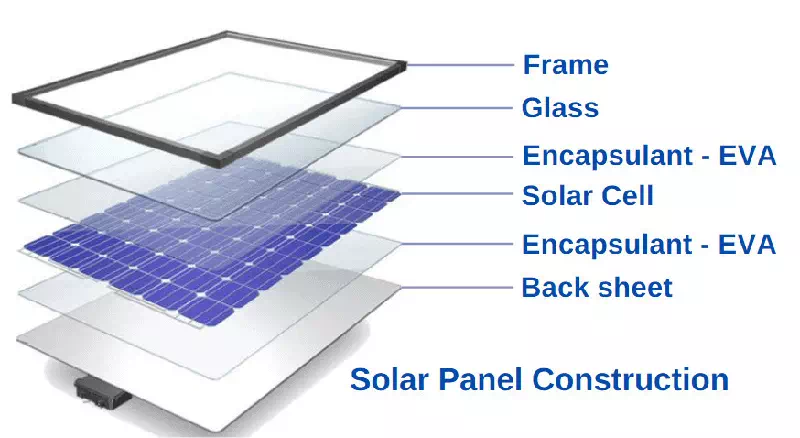
Solar panels inherently provide significant environmental benefits by generating clean energy. However, some panels may offer greater advantages than others:
- Reliability: Choose panels with long manufacturer warranties to avoid the waste of resources associated with replacing inferior products prematurely.
- High Efficiency: More efficient panels require less material per watt, resulting in lower emissions from manufacturing and transport.
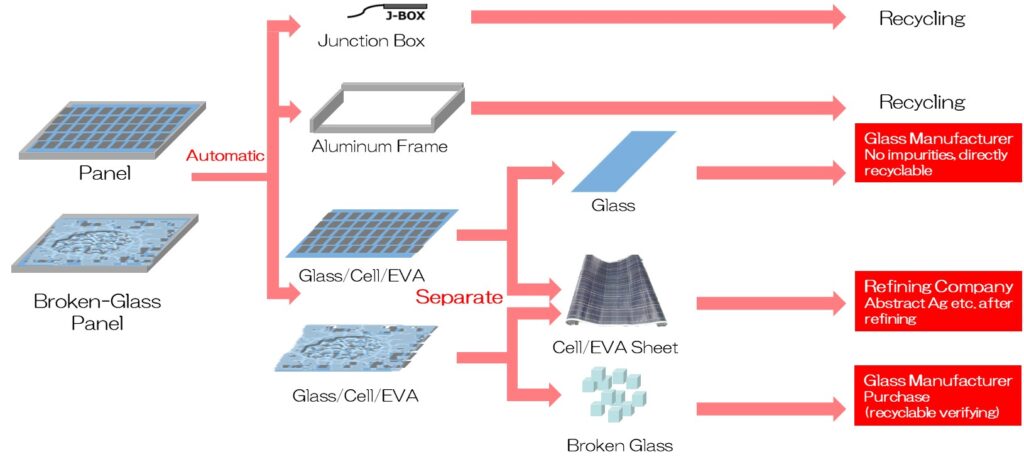
- Recyclability: Consider the recyclability of the panels. In Europe, many modules can be recycled with a 95% recovery rate. Opting for lead-free panels, like those from REC, can also facilitate safer recycling.
8. Aesthetics: How the Solar Panels Look
The appearance of solar panels can significantly influence your choice:
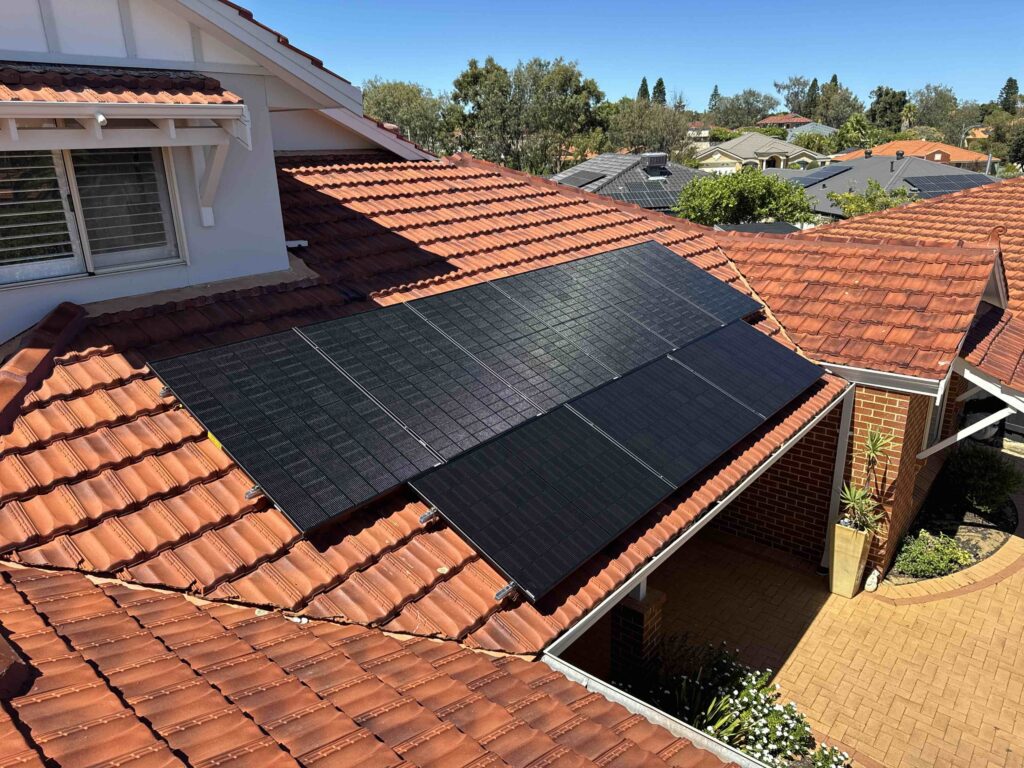
- Frame Options: Standard modules come with different frame colors, such as silver, black, or all-black options. All-black modules tend to run a bit hotter and may have slightly reduced performance, but the difference is minimal.
- Integration Options: Some suppliers offer integrated solar solutions, such as solar roof tiles or flexible panels for unconventional roofs. While these options provide sleek aesthetics, they may come at a premium.
- Visibility: Consider how visible your solar panels will be from the ground. Investing in aesthetically pleasing panels is pointless if they won’t be seen.


Conclusion
When considering solar panels in Perth, take the time to evaluate each aspect—from manufacturing quality and specifications to environmental benefits and aesthetics. By doing so, you’ll ensure that your investment in solar technology is not only beneficial for your energy needs but also aligns with your values and preferences.
If you’re ready to explore your solar options further, contact us today for personalized advice and expert installation!
Why Choose Us
CEC Accredited Installers
Request a Free Quote
Fill in the form and we will be in touch to schedule a booking.

We offer Finance!
Looking to Finance?
urbanfuture has partnered up with Brighte to help our customers find additional payment solutions for their projects.
Brighte’s Green loans offer a 5.89%pa for energy efficient systems, which is applicable on all solar power and hot water systems we offer.
Just let one of our friendly staff members know if you’re looking to finance, and we’ll work with you to find which solution works best for you.