
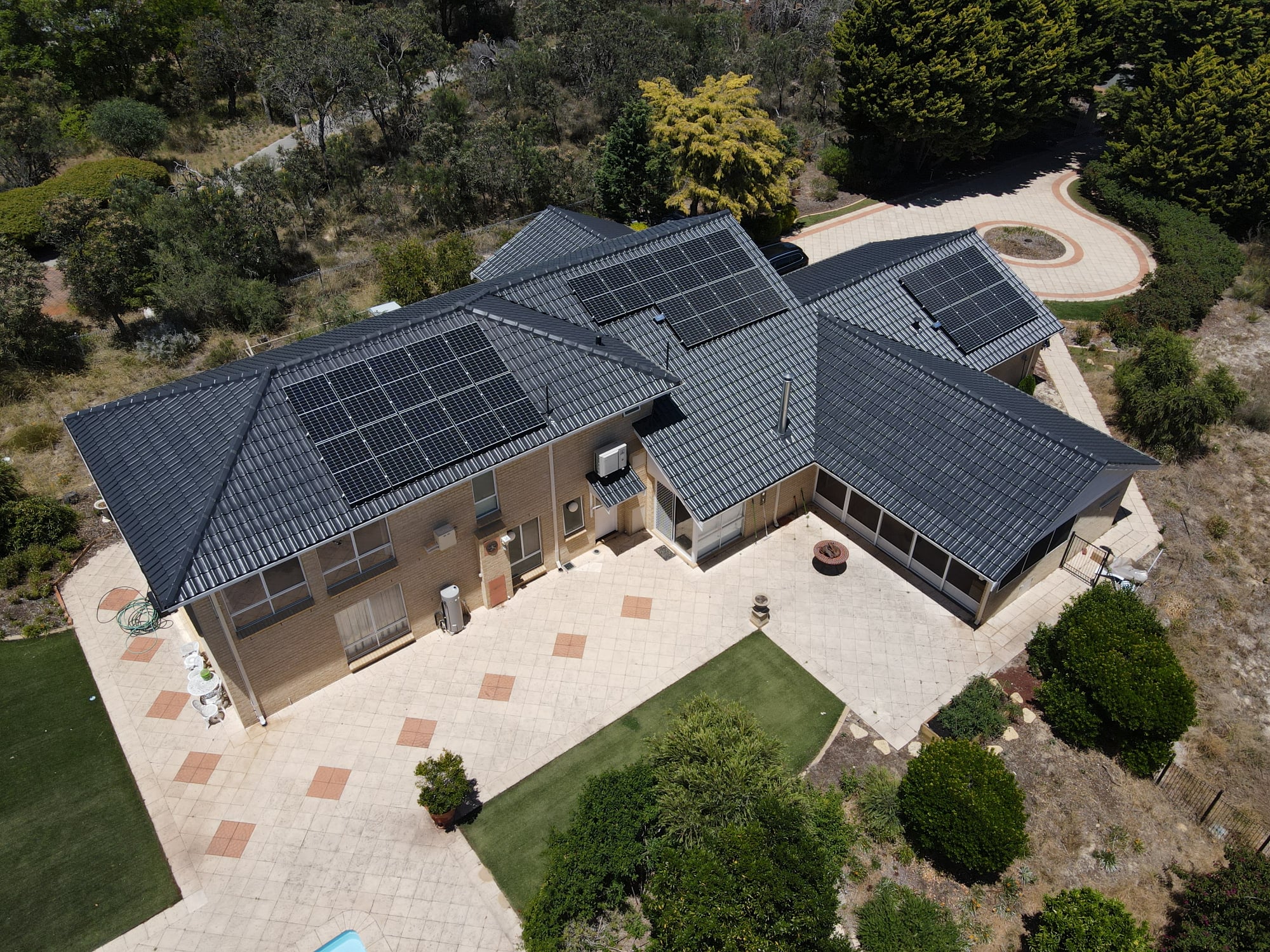
Switching to solar energy is an exciting step toward reducing your carbon footprint and lowering your electricity bills. However, the solar panel installation process can seem daunting if you’re unfamiliar with it. In this guide, we’ll walk you through what to expect during your solar panel installation, from the initial consultation to the final system commissioning.
1. Initial Consultation
Understanding Your Needs
The process begins with a consultation with a solar provider. During this meeting, you’ll discuss your energy needs, budget, and goals. The installer will assess your needs and depending on your needs, review your current energy usage to determine the best system size and configuration for your home.
Site Assessment
A thorough site assessment will follow, where the installer evaluates your roof’s condition, orientation, and shading. This information is crucial for determining the optimal placement of the solar panels to maximise energy production.
For simple installations, this can be done remotely using free and paid tools available to the retailer.
The consultant may ask for some additional supporting information like photo’s of area’s or switchboards.
For more detailed installations, the retailer may require a site visit to work out some on job specific additional work required to complete the job professionally and according to regulations.
2. System Design and Proposal
Customised Design
After the assessment, the installer will create a customised solar system design tailored to your specific needs. This design will include details about the number of panels, inverter type, and overall system layout.

Proposal and Financing Options
You’ll receive a proposal outlining the costs, financing options, and potential savings. Many solar providers offer various financing solutions, including loans, leases, and power purchase agreements (PPAs).
The best way to avoid any “gotcha” moments hidden away in fine print in various agreements is to pay for your system outright. Usually who ever is paying the bulk of the money upfront is making the most in the end. Financing at least will still make you 100% the owner, even if the total cost is higher.
Leasing agreements can render you unable to remove or upgrade panels down the track for an extended period of time. We had a customer who leased a solar power system with no upfront cost and a 20 year agreement. The retailer paid the cost and recovered their money via the feed in tariffs money, while the home owner got their bills reduced.
Great at first, but 15 years later, the system with its older generation gear was now no longer doing anything to the home owners bills and still couldn’t be replaced, leaving underperforming, tacky looking panels sitting on her nice newly painted roof.
3. Permitting and Approvals
Securing Permits
Once you approve the proposal, the retailer will handle all necessary permits and approvals from local authorities. This process can take a few days to several weeks, depending on your location and the complexity of your installation.
Utility Notification
Your solar provider will also notify your utility company of the upcoming installation. This step is essential for ensuring that you can connect your system to the grid and take advantage of net metering, which allows you to receive credits for excess energy produced.


4. Installation Day
Preparing Your Home
On installation day, the solar installation team will arrive, typically early in the morning. They’ll set up their equipment and prepare your home for the installation process. It’s a good idea to clear any obstacles around your home, such as vehicles or outdoor furniture, to facilitate the work.
Installing the System
The installation process usually takes one to three days, depending on the system’s size and complexity. The team will:
- Mount the Panels: They will install the mounting hardware on your roof and secure the solar panels in place.
- Install the Inverter: The inverter, which converts solar energy into usable electricity, will be installed either on the interior or exterior of your home.
- Connect Wiring: The team will run electrical wiring from the solar panels to the inverter and then connect it to your home’s electrical system.
- Install and Connect the Battery: If applicable the team will install the battery mounting kit, the power module and the storage modules.
Safety Measures
During the installation, the team will follow strict safety protocols to ensure a safe work environment. You may notice scaffolding or safety harnesses being used, especially if the installation is on a steep roof.
You will also notice some Danger and Warning labels. These are required by standard practise and will also feature some useful information regarding shutdown procedures, if you ever find the need to do so.
You can also ask the installer on site for a live demonstration of what to do.
5. Commissioning & Connection
Commissioning
Once the installation is complete, the installer will turn everything on, test the connections and do a final inspection to ensure everything meets local codes and regulations before doing commissioning the system ready for use.
Connecting to the Grid
Once the inspection passes, your system will be connected to the grid. Your utility company may require to also make a site visit to install a bi-directional meter that tracks the energy you consume and the excess energy your system produces.
6. Monitoring and Maintenance
System Monitoring

After installation, many solar providers offer monitoring services that allow you to track your system’s performance through an app or web portal. This feature helps you as a consumer as well as your supporting retailer ensure your system operates efficiently.
By default, you can typically only see the power generation of your system.
If you would like to be able to get all the power analytics your system can provide, you’ll need an Smart Energy Device (often referred to as a smart meter, not to be confused with the smart digital meter for your grid network provider)
In addition to your solar power system’s generation, you will now be able to see household consumption, grid import and grid export. If you have a battery you can also see statistics related to your batteries charging and discharging or current state of charge.

Regular Maintenance
While solar panels require minimal maintenance, it’s essential to keep them clean and free of debris. Periodic inspections by your solar provider can help identify any issues early on.
Conclusion
Installing solar panels is a significant investment but one that pays off in long-term savings and environmental benefits. By understanding what to expect during the installation process, you can ensure a smooth transition to solar energy. If you’re ready to learn more, contact us today to see how we can help you with your solar panel installation and generate your own power from the sun!
Why Choose Us
CEC Accredited Installers
Request a Free Quote
Fill in the form and we will be in touch to schedule a booking.
We offer Finance!
Looking to Finance?
urbanfuture has partnered up with Brighte to help our customers find additional payment solutions for their projects.
Brighte’s Green loans offer a 5.89%pa for energy efficient systems, which is applicable on all solar power and hot water systems we offer.
Just let one of our friendly staff members know if you’re looking to finance, and we’ll work with you to find which solution works best for you.